
Halifax County Warrant Lookup Channels
No official public Halifax County active-warrant search or most-wanted warrant database was located on the county or sheriff websites. That changes the search order. A person checking a possible Halifax County warrant should use the Sheriff's Office, magistrate contacts, Clerk of Superior Court, and North Carolina eCourts Portal as separate channels because each one answers a different part of the warrant question.
The Halifax County Sheriff's Office is the law-enforcement contact for county service and process issues. The Clerk of Superior Court is the court-record contact for criminal case files and returned warrants filed in court. Magistrates handle bond, release, and some criminal-process questions. The North Carolina eCourts Portal can show related criminal cases or hearings after a case is filed, but it should not be treated as proof that no active process exists.
The Halifax County Sheriff's Office homepage is the official sheriff source linked in the research file.
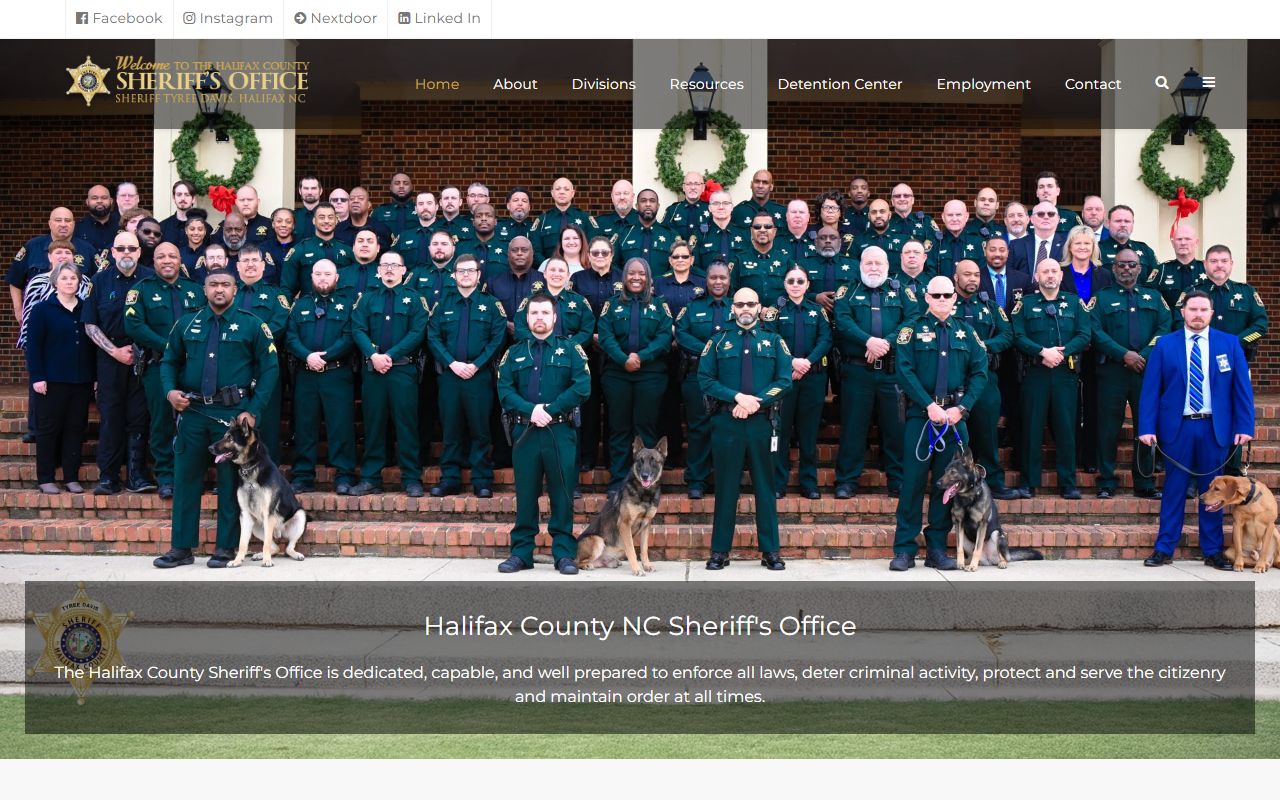
Use the sheriff site for official contact routes and public-safety resources, then verify court-file details through the clerk when a warrant has reached a court case.
Halifax County Warrant Contacts
Warrant access in Halifax County is a contact-based process. The county page lists the Sheriff's Office at 355 Ferrell Lane, Halifax, North Carolina 27839, with the main sheriff phone as 252-583-8201. The Detention Center can confirm charge and bond information after a person is booked if the caller provides the inmate's full name. Magistrate numbers are useful for warrant-related process, bond, and release questions.
| Channel | Use It For | Contact |
|---|---|---|
| Sheriff's Office | County warrant service, law-enforcement process, civil and criminal process questions | 355 Ferrell Lane, Halifax, NC 27839; 252-583-8201 |
| Detention Center | Charge and bond information after arrest or booking | 252-583-3081; provide inmate full name |
| Halifax magistrate | Bond, release, and warrant-related court process | 252-593-3019 |
| Enfield magistrate | Local magistrate process questions | 252-445-2961 |
| Roanoke Rapids magistrate | Local magistrate process questions | 252-537-6070 |
| Clerk of Superior Court | Criminal case files, returned warrants, background-check-style searches | 357 Ferrell Lane; 252-593-3000 |
Note: If the concern is immediate arrest risk, call an attorney or the official office before appearing in person.
Types of Halifax County Warrants
North Carolina sources use several terms that may matter in a Halifax County warrant search. An arrest warrant is one type of criminal process. An order for arrest is common when a person misses court or violates a court duty. Search warrants are different because they authorize a search of a place or property, not the arrest of a named person. Some process may begin with a magistrate and later appear in a court file after service or return.
- Arrest warrant authorizes law enforcement to arrest a named person based on court process.
- Order for arrest often follows failure to appear, probation issues, contempt, or failure to comply.
- Search warrant authorizes a search and may become public after return unless sealed.
- Criminal summons orders a person to appear without immediate arrest.
- Fugitive or extradition process may involve another county, state, or agency.
- Probation violation process may connect court records, probation records, and custody status.
The terms are not interchangeable. A Portal case entry may show a filed charge or hearing, while the sheriff or magistrate may be the better source for current service or bond instructions.
How to Search Halifax County Warrants
The best search path starts broad and then narrows. First, check the statewide court portal for filed criminal cases, hearing dates, and related case activity. Next, contact the Halifax County Sheriff's Office or magistrate when the issue may involve active process, an order for arrest, or surrender instructions. Use the Clerk of Superior Court for public terminals, paper files, certified copies, and background-check-style searches.
- Search the eCourts Portal by name or case number for Halifax County criminal case activity.
- Call the Sheriff's Office at 252-583-8201 when the question is about active service or county law-enforcement process.
- Call the correct magistrate office for bond, release, or warrant-related court-process questions.
- Contact the Clerk of Superior Court at 252-593-3000 for returned warrants in court files, older cases, and certified copies.
- If the person is already booked, call the Detention Center at 252-583-3081 with the inmate's full name for charge and bond information.
For court outcomes and full criminal case history, the court file is separate from the warrant itself. A filed prosecution is better reviewed through Halifax County criminal court records.
Halifax County Warrant Search Fields
Because Halifax County does not publish a dedicated active-warrant search form, search fields come from the fallback systems. The eCourts Portal supports name and case-number search for filed cases. The jail search can help after arrest. Phone-based verification usually requires a full name, and the official may ask for date of birth or case information to avoid mixing people with similar names.
| Channel | Field or Detail | Required | Options / Format Notes |
|---|---|---|---|
| eCourts Portal | Record number or name | One search input required | Use Last, First Middle Suffix format or a known case number. |
| eCourts Portal | Location filter | Optional | Use Halifax County to reduce statewide false matches. |
| Sheriff or magistrate phone call | Full legal name | Usually needed | Provide spelling and any case or citation number if known. |
| Detention Center | Inmate full name | Needed for charge or bond fallback | Use after arrest or booking, not as a pre-arrest warrant database. |
| Clerk public terminal | Defendant name or case number | One search path needed | Use for criminal case files and returned process in court records. |
What Halifax County Warrant Records Show
A warrant record is not the same thing as a full case file. The warrant or process record identifies the authority for arrest, summons, or search. The court case file may then show charges, hearings, dispositions, judgments, sentence terms, bond, and costs. Returned warrants and search warrants can be public records unless sealed, but active process and investigative material may be withheld.
| Field | What It Shows |
|---|---|
| Name or defendant | The person named in the criminal process or court file. |
| Issuing court or magistrate | The judicial officer or court tied to the warrant, summons, or order. |
| Case number | The court identifier used to connect process to the case record. |
| Process type | Arrest warrant, search warrant, order for arrest, criminal summons, probation violation, contempt, or fugitive process. |
| Charge or offense | The alleged offense or reason for the process, when public. |
| Bond or release condition | Any bond amount or release rule set by the court or magistrate. |
| Service or return status | Whether process was served, returned, or remains restricted from release. |
| Court date | The next hearing date if one has been scheduled in the court case. |
Halifax County Custody Notification
Warrant information may become easier to confirm after an arrest because custody and charge details move through the Detention Center and victim notification systems. The sheriff links to NC SAVAN, North Carolina's victim notification resource, and statewide VINE access is available for custody and case-notification signups. These tools are not active-warrant searches. They help track custody status after someone is booked or a covered case changes.
The sheriff's NC SAVAN page explains the victim-notification route connected to custody events.
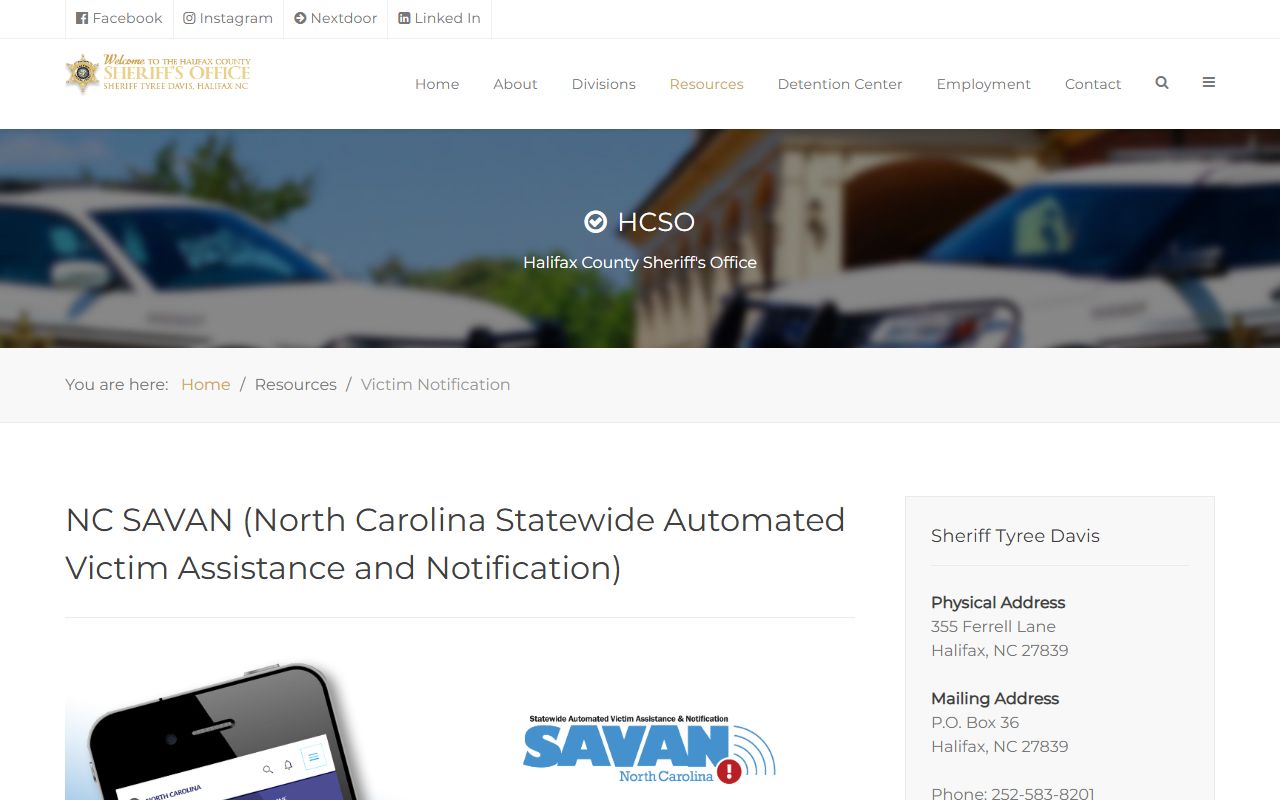
Use SAVAN or VINE for notification after custody events, while using the clerk, sheriff, and magistrates to verify court process and warrant resolution steps.
Restricted Halifax County Warrant Records
North Carolina public-access law treats returned arrest warrants and search warrants as public records unless a court seals them, but that does not make every warrant detail public at all times. Active or unserved warrants may be withheld to protect enforcement. Juvenile process is restricted. Law-enforcement investigative and intelligence records have separate limits under N.C.G.S. 132-1.4.
The sheriff also links to sex-offender resources, which are separate from warrants. The Halifax County Sheriff's sex offender registry page routes users to the state registry and warns against misuse.
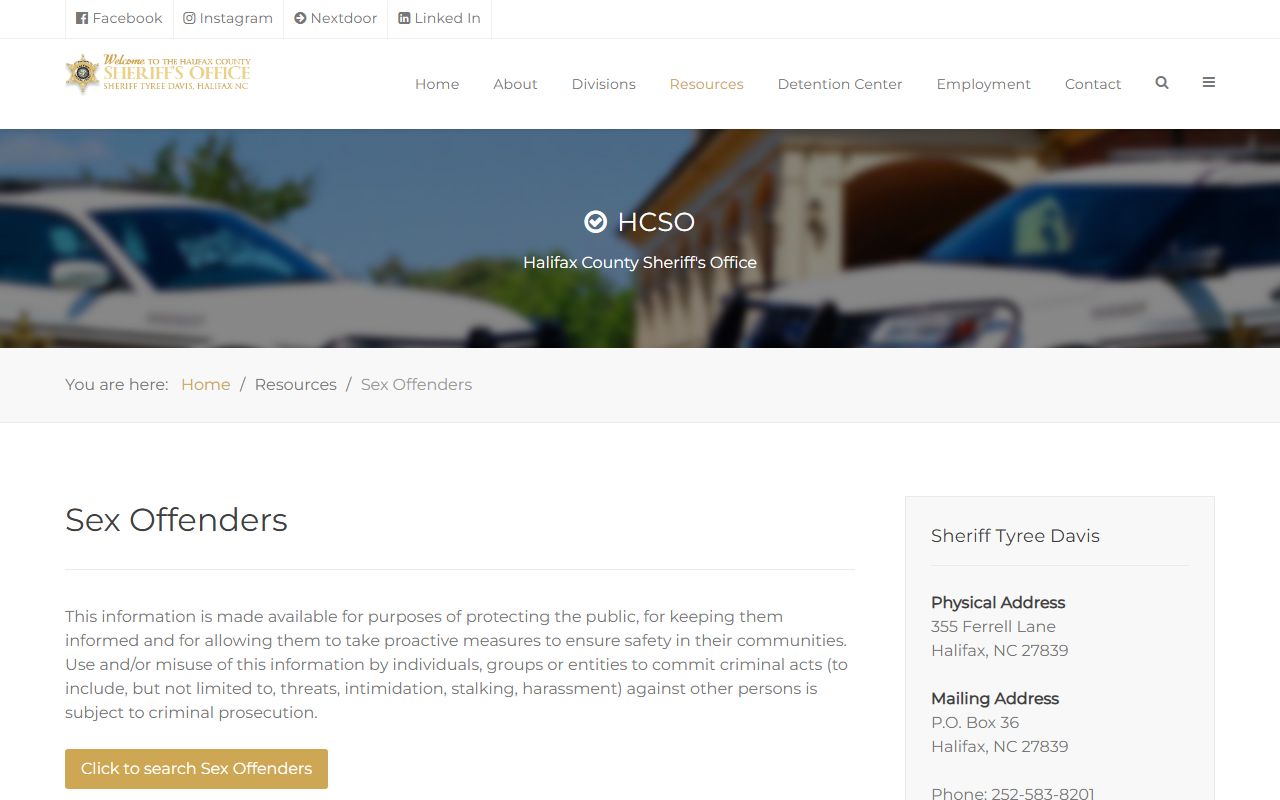
Registry searches should not be used as a substitute for warrant verification because they answer different public-safety questions.
The NC Sex Offender and Public Protection Registry is the state-level registry source referenced by the sheriff.
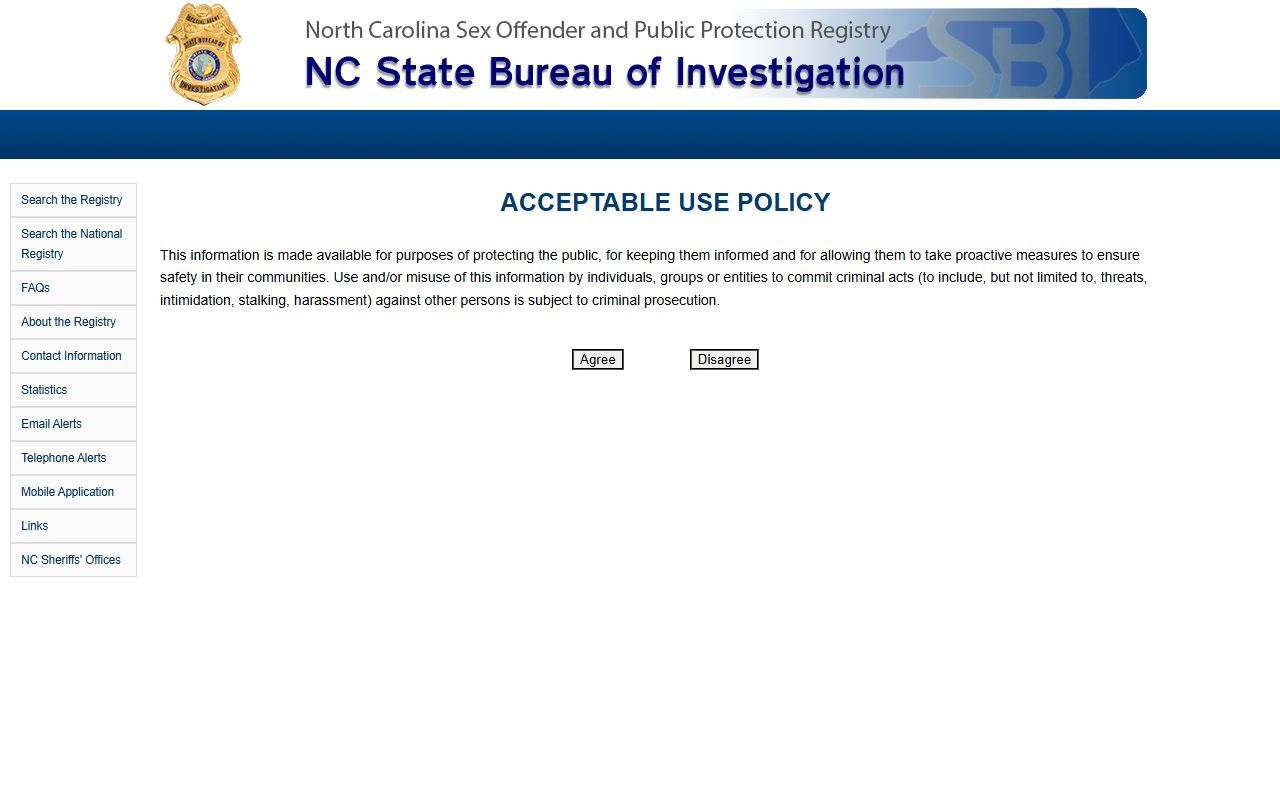
That registry may help with public-safety context, but warrant status still needs sheriff, magistrate, clerk, or court confirmation.
Resolve a Halifax County Warrant
Do not rely on an unofficial database to clear a Halifax County warrant. Verify the matter through the court or sheriff channel, then follow the official instructions. If the warrant is tied to a missed court date, the clerk or magistrate can explain the next appearance or bond process. If the warrant is tied to a criminal case, an attorney can help assess surrender, bond, and the next court setting.
Important: Speak with counsel before surrendering on a serious, unclear, or multi-county warrant matter.
After resolution, confirm that the court file, bond status, and any license or DMV hold have updated. That is especially important when the warrant came from a failure to appear in a traffic case. The NCDAC public records page covers state correction records, not county warrant clearance.
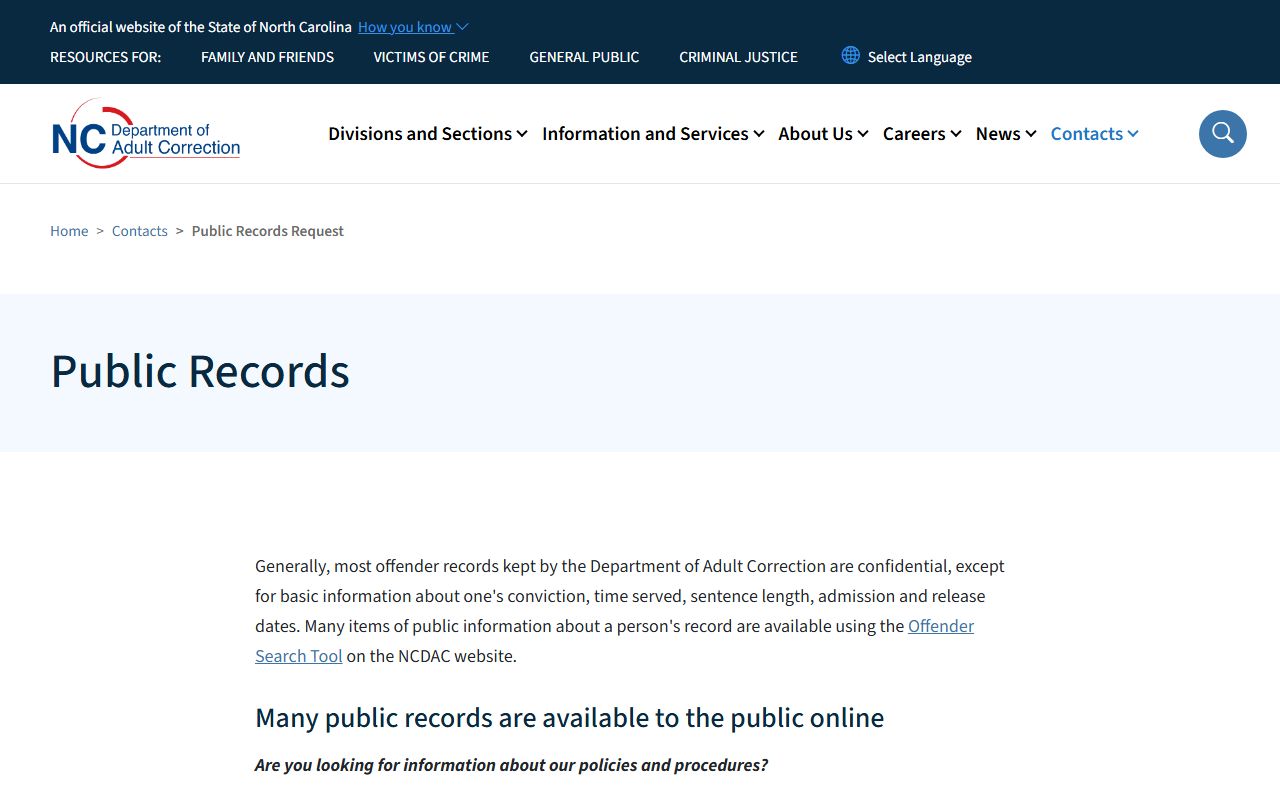
Use NCDAC public records for state correction questions after conviction or custody, while using Halifax County channels for county warrant issues.
Statewide Searches and Tip Channels
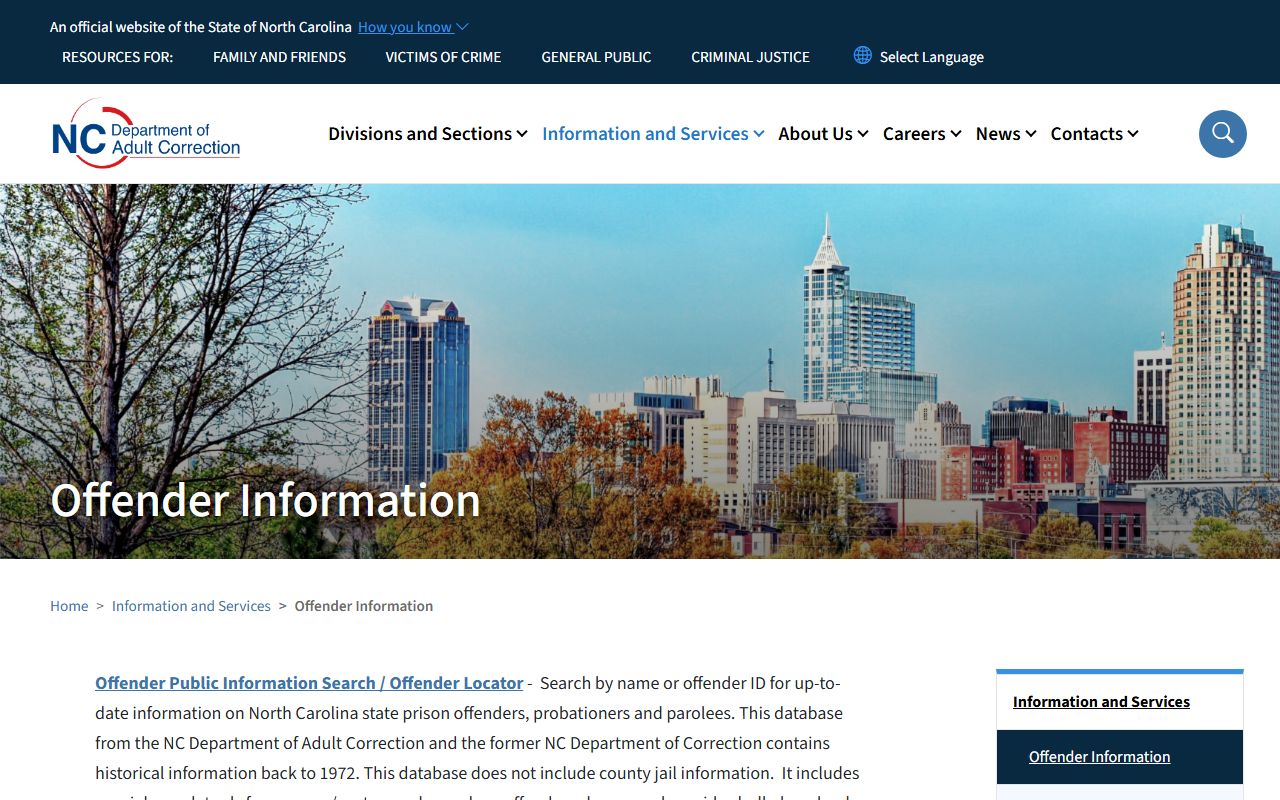
Some warrant-related questions move beyond Halifax County. State prison, probation, and parole information is handled by the North Carolina Department of Adult Correction. The NCDAC offender resources do not include county jail information and do not replace a Halifax County warrant check. They can help when the person may be in state custody or under state supervision.
The NCDAC criminal offender searches page explains state offender lookup channels and related statewide resources.
For tips, the sheriff homepage links to P3 Tips and Crime Stoppers-style channels. Those channels are for reporting information. They are not a private warrant-clearance path.