
Search Halifax County Court Records
Halifax County court records are searched first through the North Carolina eCourts Portal. The portal includes Smart Search, Search Hearings, payments, and the NC Judgment Search. Halifax County joined eCourts Track 8 on April 28, 2025, so basic public case information and hearing search are now part of the statewide portal rather than a local-only database.
The Halifax County Judicial Branch page remains the local hub for courthouse services, calendars, local rules, jury service, and payment links. If the online record is thin, older, restricted, or needed for a background-check-style review, the fallback is the Clerk of Superior Court and public terminal access.
- Open the eCourts Portal and choose Smart Search for case information.
- Search by case number or by name in last, first format.
- Use the location filter to narrow statewide results to Halifax County.
- Use Search Hearings when the goal is a court date, courtroom, or calendar event.
- Contact the Clerk of Superior Court for certified copies, full paper files, older files, or background-check-style searches.
The Portal Smart Search page is the main online case lookup route for Halifax County court records.
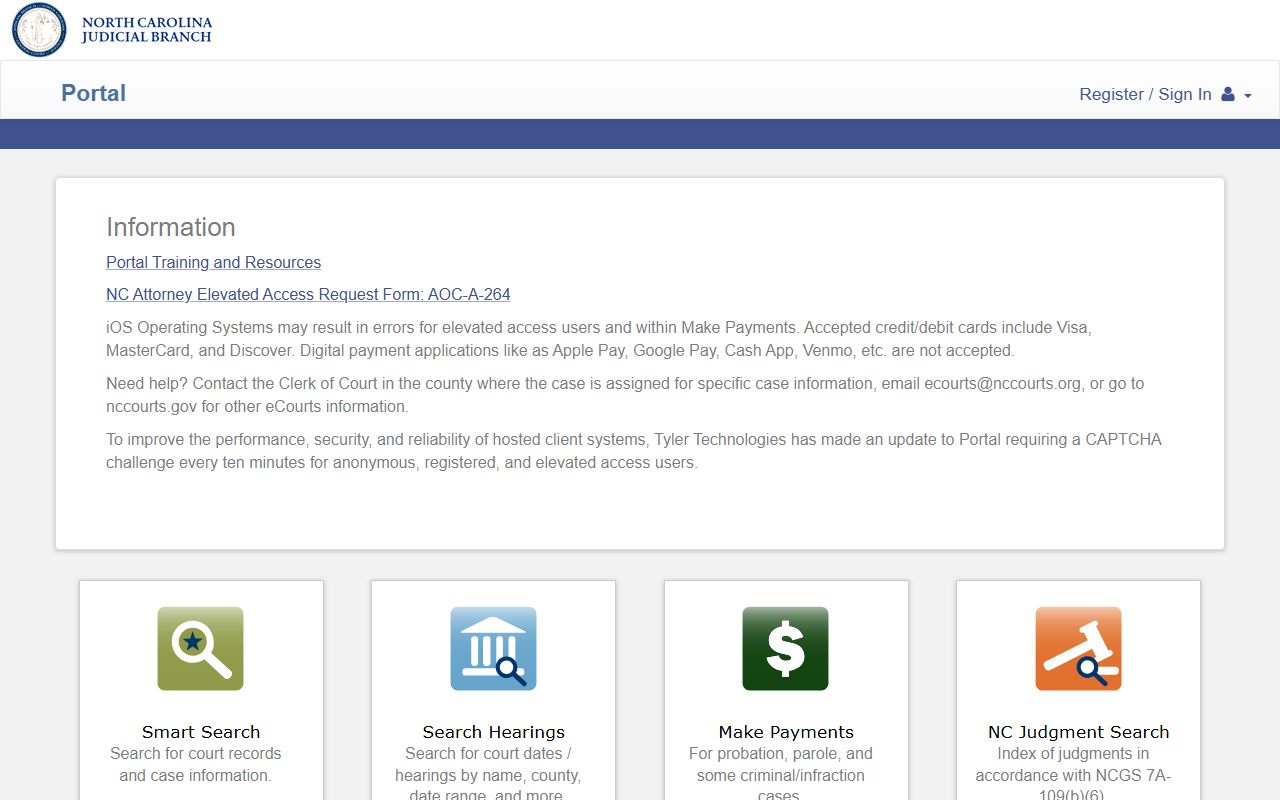
The portal view matters because it separates record search, hearing search, payments, and judgment lookup into different tools.
| Portal Field | Use | Format Notes |
|---|---|---|
| Record number or name | Find a case by number or party | Name searches use last, first format; wildcards need enough characters. |
| Filter by location | Limit statewide matches | Select Halifax County when available. |
| Case type and status | Narrow results | Useful when common names return many matches. |
| File date range | Limit old or recent filings | Start and end dates can reduce false results. |
Halifax County Court System
Halifax County is part of North Carolina's General Court of Justice. The trial divisions are Superior Court and District Court. Superior Court handles felony criminal matters and civil cases over $25,000, while District Court handles misdemeanors, infractions, traffic, family matters, juvenile cases, and many high-volume civil cases. Magistrates are part of District Court and handle small claims, summary ejectment, initial criminal process, and bond or release functions.
The North Carolina court structure places appeals above the trial courts in the Court of Appeals and Supreme Court of North Carolina. Halifax County is assigned to Prosecutorial District 7, Superior Court District 7A, and District Court District 7.
Case flow: Magistrate or filing counter › District Court or Superior Court › North Carolina Court of Appeals › Supreme Court of North Carolina when review is available.
| Court or Office | Role in Halifax County | Contact |
|---|---|---|
| Superior Court | Felony criminal cases, higher civil matters, and some contested estate issues | Judges: 252-593-3016 |
| District Court | Misdemeanors, traffic, family, juvenile, small claims, and infractions | Judges: 252-593-3012 |
| Clerk of Superior Court | Records, files, copies, public terminals, and estates | 252-593-3000 |
| Magistrates | Small claims, criminal process, and bond functions | Halifax 252-593-3019; Enfield 252-445-2961; Roanoke Rapids 252-537-6070 |
Halifax County Courthouse Records
The active courthouse for Halifax County court records is the courthouse on Ferrell Lane. Court files, court-date questions, filings, payments, and clerk services should be directed there, not to the historic courthouse address on North King Street. The official Halifax County Courthouse page lists the local address, phone, and public hours.
The court contact directory routes users to the clerk, judge offices, family court, the District Attorney, Guardian ad Litem, arbitration, and magistrate offices. The courthouse is also the place to confirm local filing rules, access limits, and payment details before sending money or appearing for court.
The official Judicial Branch courthouse page shows the Halifax County court address and service details.
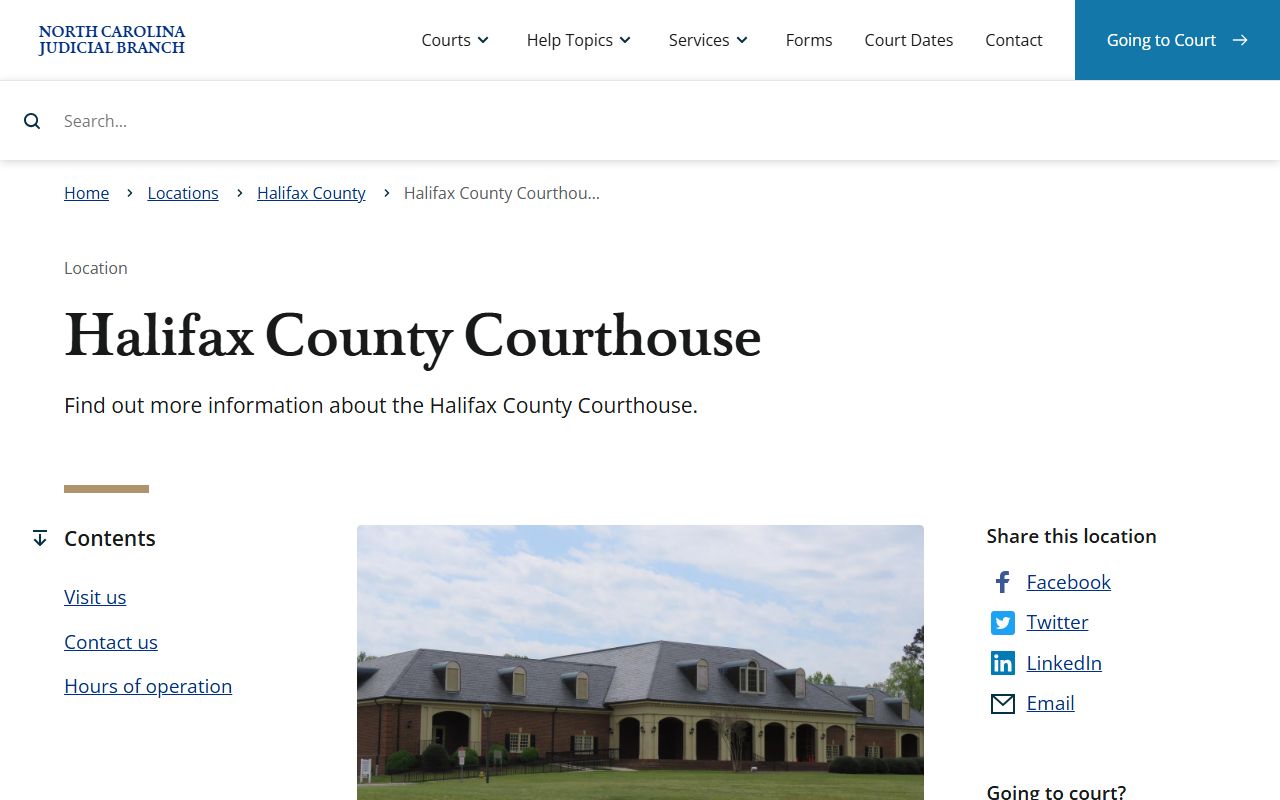
The courthouse page is the best official source for current public hours and local contact routing.
Halifax County Courthouse
357 Ferrell Lane
Halifax, NC 27839
252-593-3000
Monday-Friday, 8:30 a.m.-5:00 p.m.
Clerk of Superior Court
357 Ferrell Lane
Halifax, NC 27839
252-593-3000
Court files, copies, payments, and estates
Sheriff and Detention Center
355 Ferrell Lane
Halifax, NC 27839
252-583-8201
Jail, civil process, and law-enforcement records
Types of Halifax County Records
Halifax County records are not all held by one office. Criminal case files, civil filings, estate files, divorce judgments, and traffic cases are court records through the clerk and eCourts. Marriage licenses and marriage certificates are Register of Deeds records. Jail custody data and some booking or bond questions are handled by the Sheriff's Office and Detention Center. Driver records are held by NCDMV.
- Criminal court records: charges, hearings, pleas, dispositions, judgments, and sentencing data when public.
- Civil court records: complaints, answers, motions, orders, judgments, and small-claims filings.
- Family and divorce records: divorce judgments are court records, while certified divorce certificates may also route through state vital records.
- Estates and probate records: wills, applications, letters, inventories, and accountings before the Clerk of Superior Court.
- Traffic court records: citations, court dates, dispositions, fines, and compliance status.
What Halifax Court Records Show
A Halifax County court record can show the case number, division, county, filing date, parties, attorneys, charge or claim, hearing dates, courtroom, motions, orders, judgments, disposition, sentence, probation terms, bond information, and financial obligations. Portal data is useful for first-pass lookup. The paper file at the clerk remains the fuller source for many documents and certified copies.
| Field | What It Shows |
|---|---|
| Case number | The court-assigned identifier used for lookup and copies. |
| Filing date | When the case or charge entered the court system. |
| Parties | Names of plaintiffs, defendants, petitioners, respondents, or criminal defendants. |
| Charge or claim | The criminal offense, citation, civil claim, estate matter, or family filing type. |
| Disposition | The result, such as judgment, dismissal, plea, conviction, or other closure. |
| Costs or sentence | Financial obligations, release terms, probation, or other court orders when public. |
Halifax Court Records Access Law
North Carolina law treats many court files as public, but access is not unlimited. The key distinction is between court records held by the clerk and law-enforcement investigative records held by an agency. Court case documents should be requested through the clerk where filed. Judicial Branch administrative public-records requests are separate from case-document requests.
Key Statutes:
N.C.G.S. Chapter 132 governs North Carolina public records and includes rules for returned criminal process unless sealed.
N.C.G.S. 7A-109 covers clerk recordkeeping, indexes, dockets, and records generally open unless law restricts access.
N.C.G.S. 132-1.4 treats law-enforcement investigative records differently from ordinary court records.
N.C.G.S. 7B-3000 restricts juvenile court records from ordinary public inspection.
Restricted Halifax County Records
Juvenile delinquency, abuse, neglect, dependency, adoption, sealed records, expunged records, and mental-health proceedings are not handled like routine public case files. Private identifiers may also be redacted. Expunction can remove or restrict eligible criminal record entries, but eligibility depends on the exact statute, the charge, the result, and the person's history.
The Judicial Branch expunction topic is the starting point for expunction forms and process. A person seeking a restricted file should expect to use the clerk, a court order, or a qualifying legal status rather than a public portal search.
Note: Portal search results may omit records that still exist in a restricted court file or agency file.
Halifax County Sheriff Records
The Halifax County Sheriff's Office is at 355 Ferrell Lane and is led by Sheriff Tyree Davis. The office handles law enforcement, investigations, court security, service of process, and jail operations. The sheriff's records are separate from court case files, even when the same incident later becomes a criminal case.
The official sheriff site provides the inmate search route and detention-center information. Current custody, charge, and bond questions can also be handled by the Detention Center phone line when the caller has the inmate's full name. NC SAVAN and VINELink provide custody notification after booking.
The county sheriff page documents the office location and public safety role.
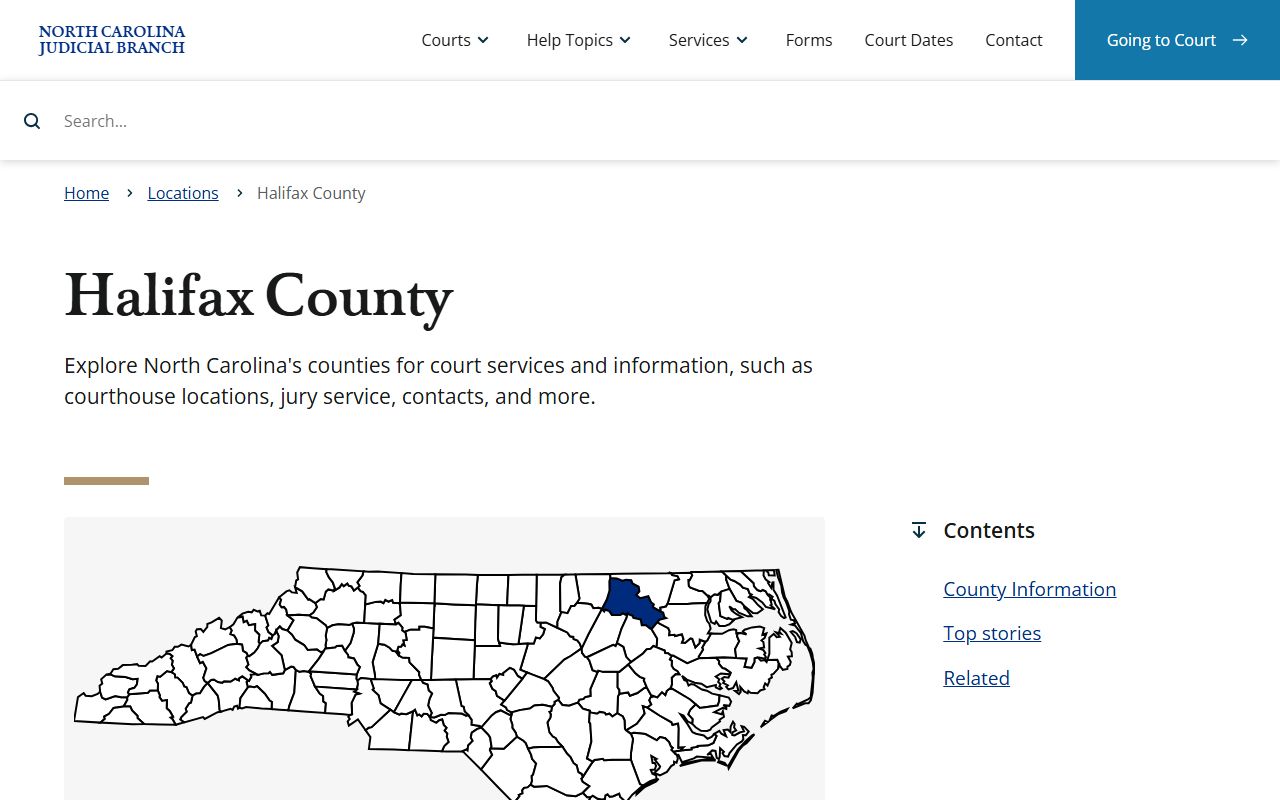
The Judicial Branch landing page is separate from the sheriff page, but together they show the split between court and custody records.
Halifax Marriage Divorce Probate
Marriage licenses and marriage certificates are handled by the Halifax County Register of Deeds, not the clerk. Divorce judgments are court records copied through the Clerk of Superior Court in the county where the divorce was granted. Estate files and probate matters are handled by the Clerk of Superior Court because North Carolina does not use a separate county probate court for routine estate administration.
For marriage records, the Register of Deeds reports marriage records dating to 1825 and provides in-person, mail, online order, and eSearch channels. For estate records, the clerk and Portal are the access paths for case information and paper files.
- Testator
- A person who made a will.
- Executor
- The person named to carry out a will.
- Intestate
- A death where no valid will controls the estate.
Halifax County Court Fees
The Judicial Branch court costs page links the current statewide cost schedules for civil, criminal, estate, special proceeding, and miscellaneous fees. Halifax County payment rules are local enough to matter: mail payments must be money order or certified check only, while in-person payments at the clerk may include cash, credit or debit card with processing fees, money order, or certified check.
| Item or Channel | Researched Detail |
|---|---|
| Mail payments | Money order or certified check only, payable to Halifax County Clerk of Superior Court. |
| In-person payments | Cash, credit or debit card with processing fees, money order, or certified check; no personal checks. |
| Online payments | Eligible matters may be paid through Judicial Branch online services or Portal. |
| Copies | Clerk staff provide copies for a fee; verify the current statewide miscellaneous court-cost schedule. |
Halifax Traffic Court Records
Traffic citations in Halifax County generally route through District Court. A payable citation may be waived online, in person, or by mail if the citation qualifies. Waiver by payment is treated as guilty or responsible and can affect license and insurance. Traffic case files are separate from NCDMV driving records.
The NCDMV driving records page handles certified and noncertified driving records. NCDMV license-suspension material states that failure to appear or failure to pay can result in indefinite suspension until the court issue is fixed.
Halifax Court History
Halifax County has an unusual court history because the county seat was a colonial legal and political center. The Office of State Archaeology article reports that Halifax's first courthouse was built in the 1760s and used for trials, voting, and storing colonial records.
The history matters for wayfinding. Historic courthouse references may point to North King Street, while active court files, payments, clerk services, and court dates go to Ferrell Lane. The county overview places Halifax in northeastern North Carolina, close to the Virginia line and within the Roanoke River and Tar-Pamlico River basins.
The state history article gives context for Halifax County court records and the older courthouse square.
The historic courthouse source helps explain why old courthouse references can differ from current court-service directions.
The Halifax County overview describes the county's location and local character.
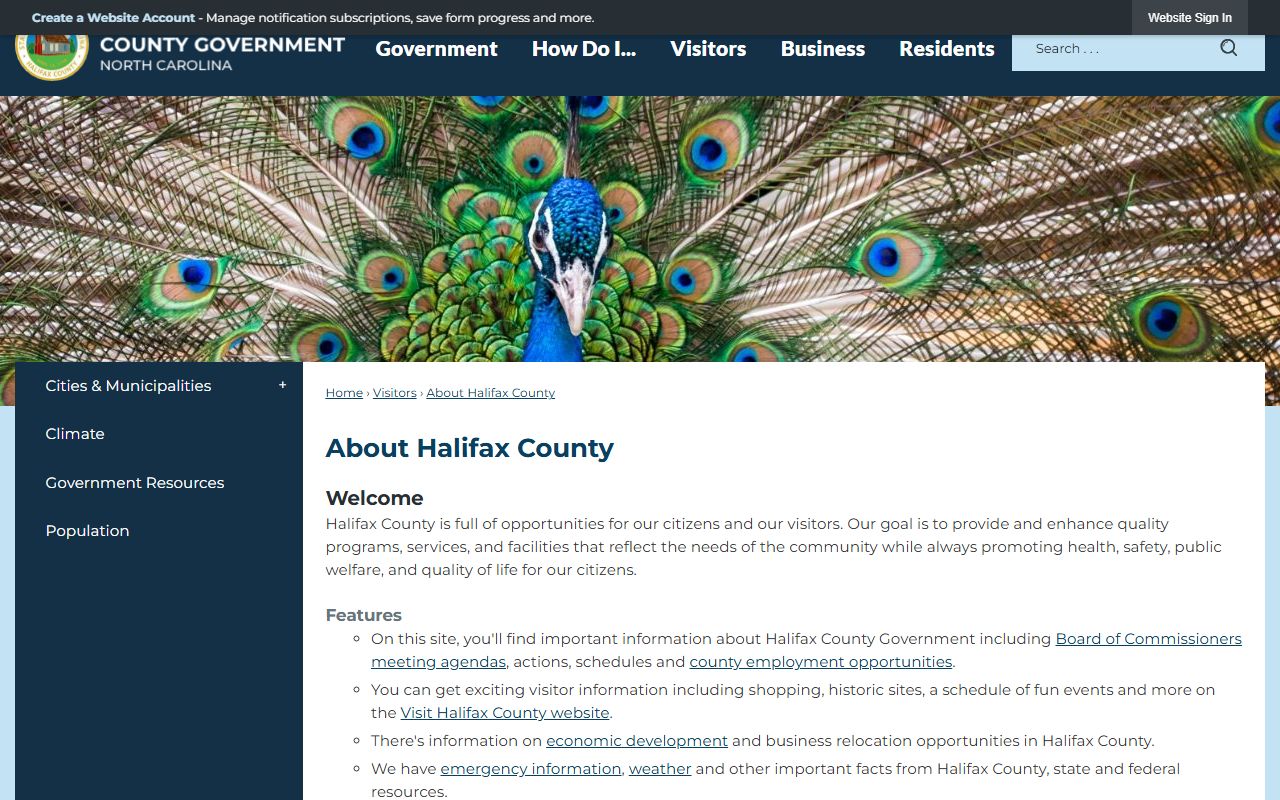
The county overview supports the local context for court users traveling from Roanoke Rapids, Enfield, Weldon, Scotland Neck, and nearby towns.
The U.S. Census QuickFacts page for Halifax County gives the county's current demographic and land-area context.
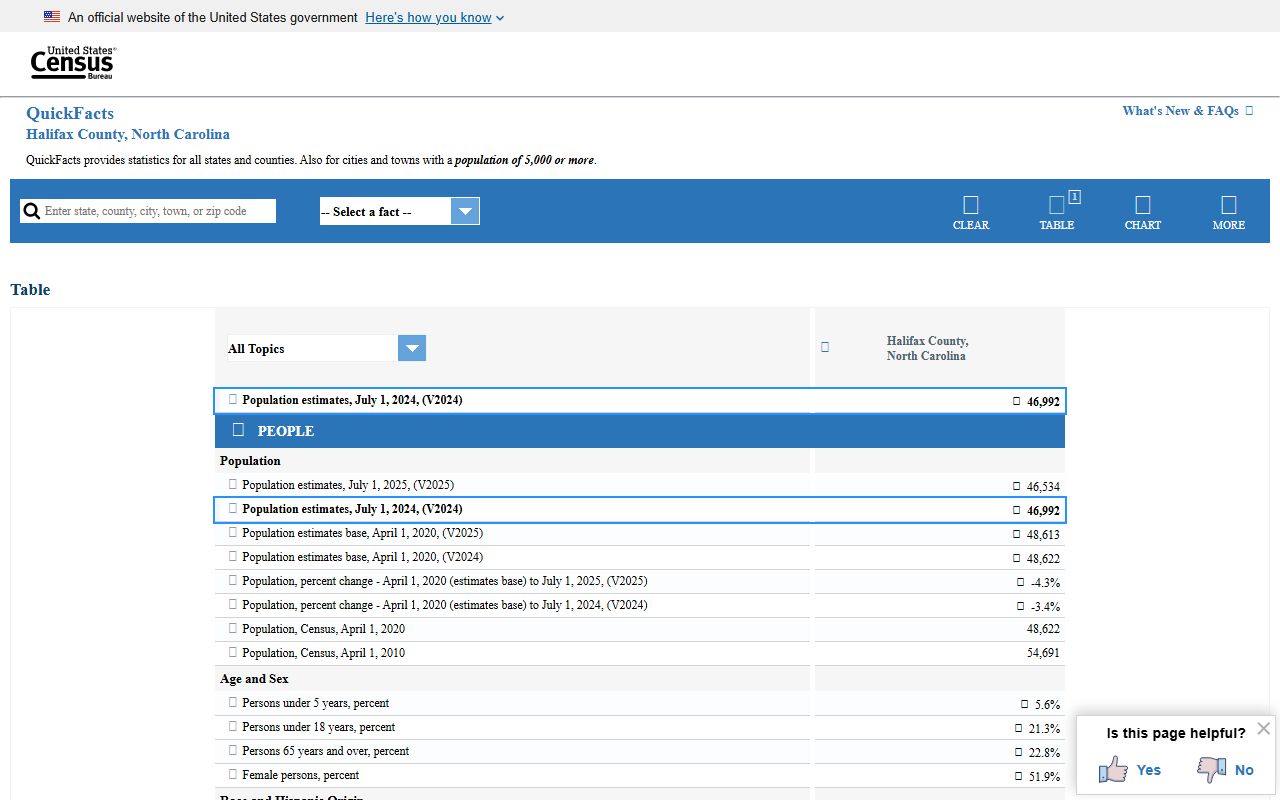
The Census source reinforces why online records access, phone confirmation, and clear office routing matter in a large rural county.
Halifax eCourts Updates
Halifax County's records access changed when eCourts went live for Track 8 counties. The official launch notice included Halifax with Bertie, Edgecombe, Greene, Hertford, Lenoir, Nash, Northampton, Pitt, Wayne, and Wilson counties. The statewide conversion later reached all 100 North Carolina counties.
The Track 8 eCourts launch notice names Halifax County in the local rollout.
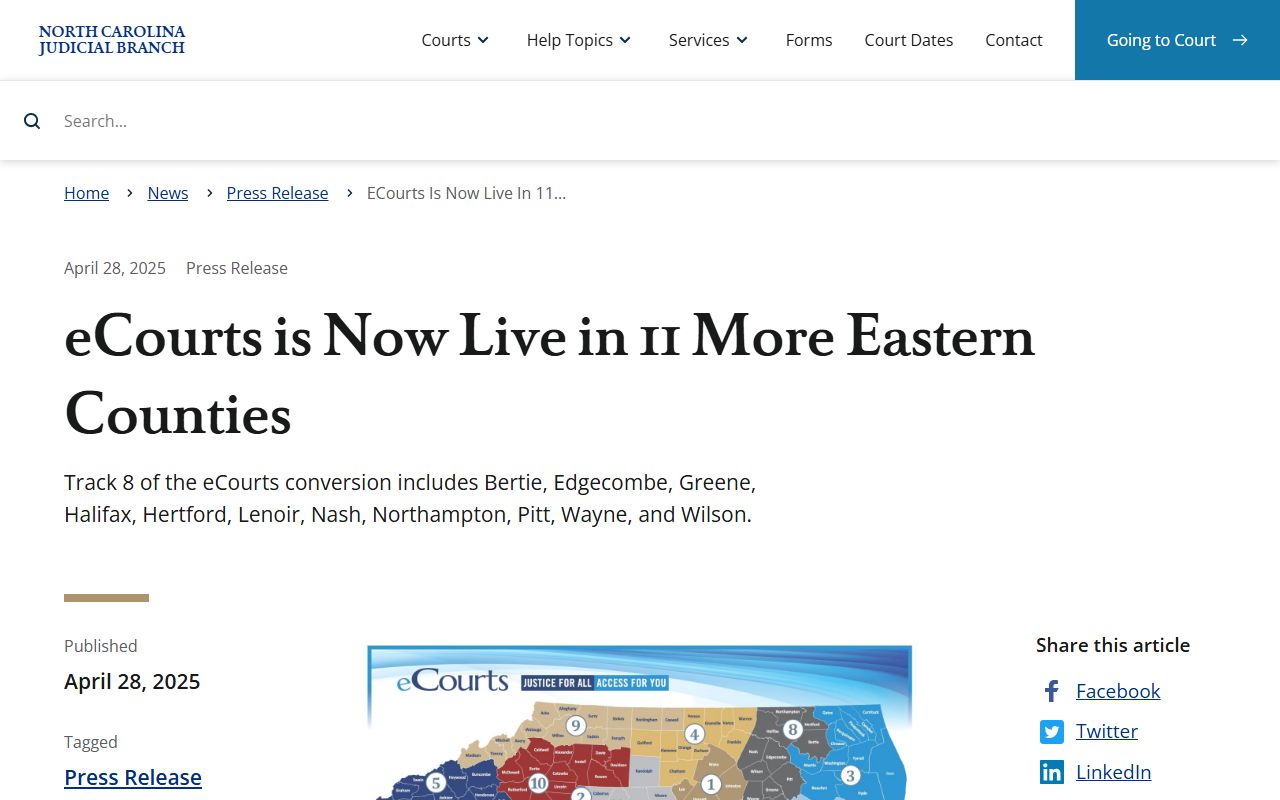
The Track 8 notice is the best source for the county's specific portal launch date.
The statewide eCourts completion notice confirms that the system later covered all North Carolina counties.
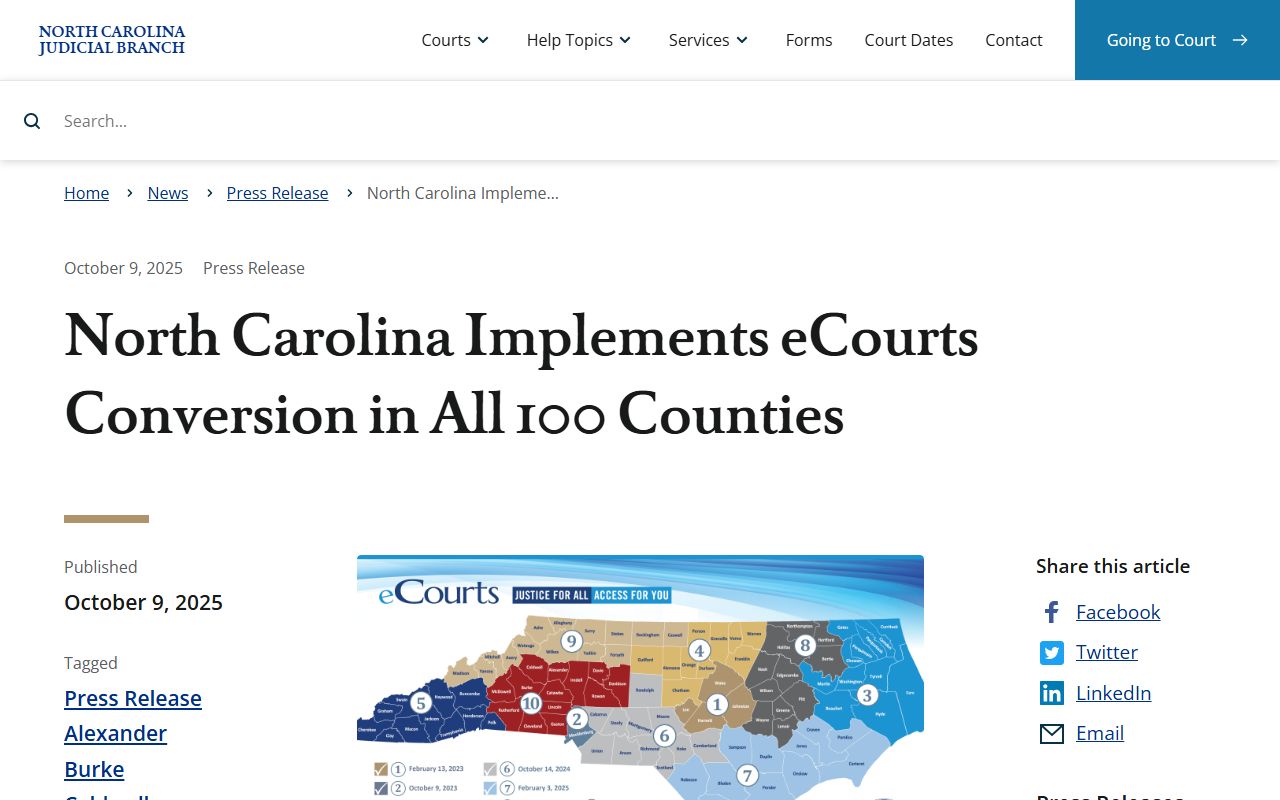
That statewide context is useful when a search returns cases outside Halifax County or prompts for statewide portal filters.
Halifax County Court FAQ
Can I search Halifax County court records online? Yes. Use eCourts Portal for public case information and Search Hearings for court dates. Use the clerk for full files and certified copies.
Are Halifax County arrest records the same as criminal court records? No. Arrest and jail data are sheriff or detention records. Court charges and outcomes are clerk records once a case is filed.
Where are Halifax County marriage records? Marriage licenses and certificates are Register of Deeds records. Divorce judgments are court records through the Clerk of Superior Court.